Why a trust sale is simpler than probate
Most people arrive at a trust sale in the middle of something hard: a parent has died, or has lost capacity, and the house is suddenly yours to deal with. The one piece of good news is that the trust was set up precisely to make this part easier.
The point of putting a house in a trust is to skip the Riverhead step entirely. If the trust is drafted properly and the trustee has authority to sell, there is no court timeline to wait on. Whether that is true of your trust is a question for the attorney who drafted it, and the title company will want to see the relevant pages too.
What we bring to a trust sale
Trustees usually inherit the job along with a house they did not choose, in a town they may not live in. We can make the property part of it considerably smaller.
We have worked through a lot of trust sales on Long Island and we know what title asks a trustee for, where the delays usually appear, and which questions belong with the trust attorney instead of with us. If something in your trust needs a specialist, we will say so and we can usually recommend one. Nobody gets turned away because their situation is complicated.
What this looks like in Smithtown specifically
Smithtown is roughly 25,629 people in Suffolk County, ZIP 11787, and the housing stock is mostly colonial, split-level, ranch. Around Main Street and the Smithtown Bull, most of it is old enough that the mechanicals are on their second or third life. The Smithtown stop pulls buyers who commute, which supports the good houses and does very little for the ones that need a roof. We have been buying across Suffolk County for 15+ years. We know what the Smithtown Central School District does to a resale price, which blocks still have oil tanks in the ground, and what a house like yours is actually worth here.
The Smithtown median has barely moved year over year as of 2026-05, at 1.27%. Flat is the hardest market to price a fixer into, because there is no upward drift to cover a mistake and no urgency pushing buyers to overlook a problem. A $797,500 median puts Smithtown in the band where buyers are stretching to afford the house and have nothing left for the roof. That is precisely the buyer who walks away from a property needing work, and it is why condition matters more here than the price alone suggests. The median house here goes under contract in about 23 days, which is quick for Long Island. It is also a figure that only applies to property in showable condition.
What happens to a Smithtown house held in a trust
A trustee frequently opens the door on a house nobody has properly looked at in years and immediately assumes it needs tens of thousands of dollars of work before it can be sold. For a retail listing, sometimes that is true. For a sale to us it is not.
We price the trust property as it stands today, which means a trustee never has to spend beneficiary money on repairs as a gamble about what a future buyer might want.
What a Smithtown house in a trust is likely to be worth
Two figures matter to a trustee here: what the trust property would fetch listed, after the work and the waiting, and what it fetches sold as-is on a date you choose.
We will give you the second one in writing. For the first, an agent's written opinion of value is worth getting, and we encourage trustees to get one. Comparing the two is how a trustee demonstrates they weighed it properly.
How selling a house held in a trust in Smithtown works
- 1
Tell us where it is
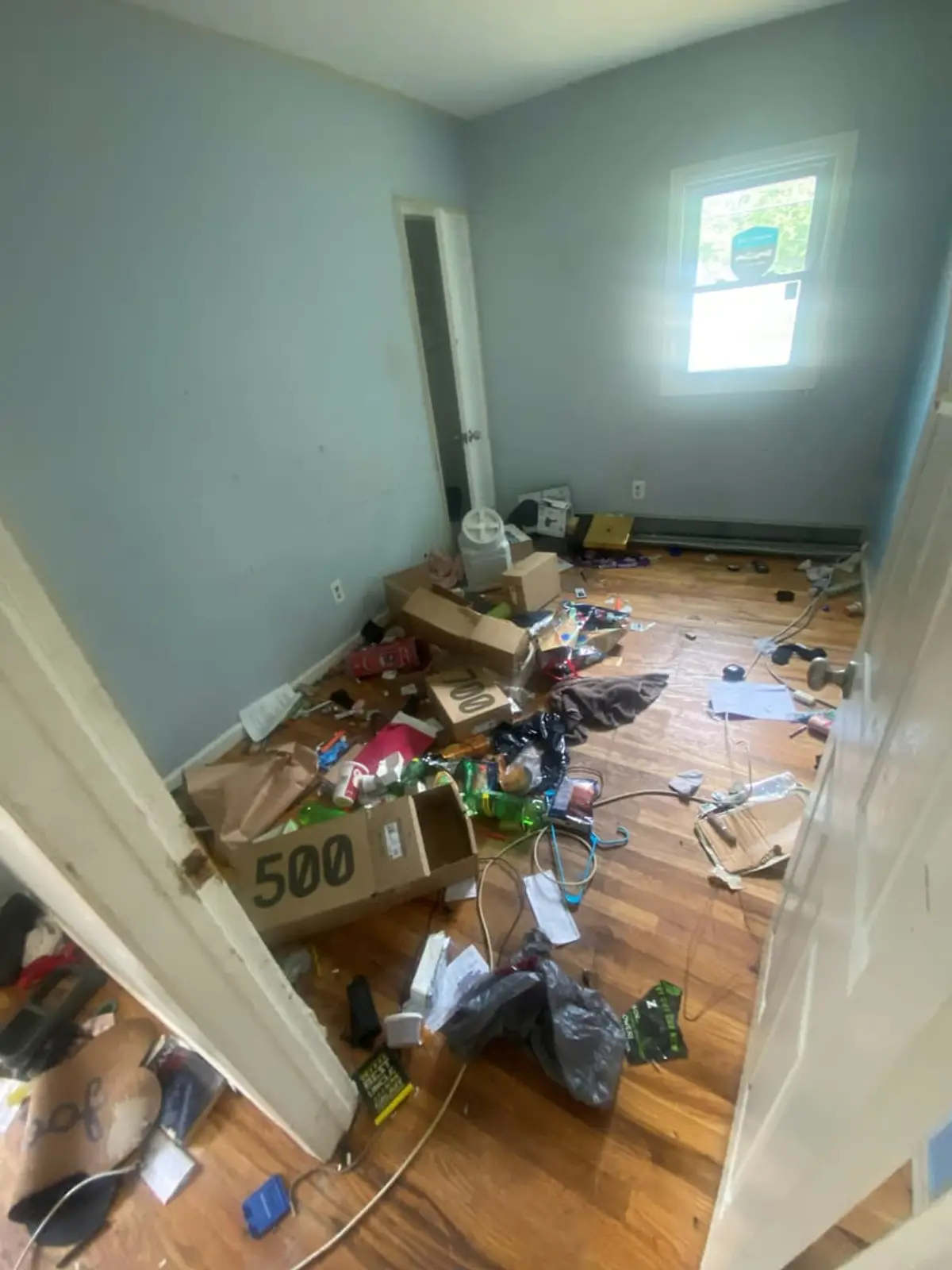
Just the address in 11787 and roughly what shape it is in. It takes a couple of minutes. Leave the house exactly as it is; we do not need it tidied, photographed or fixed.
- 2
One short visit
One of us comes by once, usually for less than half an hour. On a colonial or split-level like most of Smithtown, what we look at closely is the roof, the boiler and the wiring, not the finishes.
- 3
You get a number in writing
Within 24 hours, as a written figure rather than a range or a "starting around". Take it to a Suffolk County agent for a second opinion if you want to. On a house already in showable condition, listing may well beat us, and we would rather you knew that.
- 4
The date is up to you
Close quickly, or set a date months ahead to fit probate, a tenant or your own move. Either way there is no 68 to 83 days of a Smithtown listing looking for a buyer and waiting on a mortgage approval.
Successor trustee, and why the distinction matters here
If you are selling because the person who created the trust has died or lost capacity, you are almost certainly the successor trustee rather than a trustee who was always acting. The powers are usually the same, but the paperwork proving you hold them is different, and title companies are particular about it.
What they typically want to see is the section of the trust naming you and evidence that the triggering event has occurred. Getting that together early prevents a delay two days before closing, which is otherwise exactly when it surfaces.
What title will ask a trustee for
Expect to produce the trust document or a certification of trust, proof of the trustee's authority to sell real property specifically, and identification.
Some trusts require co-trustee consent or notice to beneficiaries before a sale, and a title company will read the document closely enough to notice. None of this is difficult. It is only slow if it starts on the day of closing rather than at the beginning.
How we arrive at a number on a house held in a trust
On a house held in a trust we start from the end: what it sells for once the work is done. From that we take away the cost of the work and a margin for the chance that we have misjudged either one. That is the whole method. Nothing is hidden in it.
- What it is worth repaired. Not the Smithtown median of $797,500 on its own, but what houses like yours on your street actually closed at recently.
- What the work costs. Roof, boiler, electric, the kitchen and bath. In Smithtown the stock is largely colonial and split-level, and on houses that age the mechanicals are usually the expensive part rather than the cosmetics.
- How long we will hold it. The median Smithtown house goes under contract in about 23 days once it is showable, then waits 45 to 60 days more on the buyer's lender. Ours has to get to showable first, and we carry taxes and insurance across the whole of it.
- What we are wrong about. Walls and floors hide things until they come up. We price for that uncertainty, and it accounts for much of the distance between a cash offer and a retail price.
How we can pay this and still make it work
Most cash buyers skip this part. We do not. We run millions of dollars of construction a year, so we buy materials at contractor prices and keep our crews busy all year. The same renovation costs us roughly half of what you would be quoted as a homeowner.
That difference is how we make money. It is also why renovating before you sell seldom comes out ahead: you would pay retail for the roof and the boiler and then hope a buyer pays you back for them. Most of the time they do not. Our margin comes from building for less, not from buying from you for less.
If our number does not work for you, tell us. We would much rather hear it than push. We will go through your situation and give you a straight view of your options, including the ones that leave us out. A lot of people do better listing with an agent, and if you are one of them we will tell you now rather than have you find out later.
Irrevocable or revocable, and what it means for the trust
Trustees ask us about basis, capital gains and how the trust is taxed on a sale. We will always send that question to a CPA and to the trust attorney, because those answers depend on facts specific to your trust and getting them wrong is expensive.
What we will do is make sure you ask before you sign rather than after. If you need a name, we work with accountants and trust attorneys on Long Island and we are glad to make the introduction.
Common questions
Do you need to see the trust document?
We ask for the pages showing who the acting trustee is and what they are permitted to sell. A certification of trust often covers it. The title company will want the same thing.
Irrevocable or revocable, does it matter to you?
Not to the mechanics of our offer. It may matter a great deal to the tax treatment on your side, which is a question for the trust attorney and an accountant.
Can a successor trustee sell a Smithtown house without going to court?
Usually yes, provided the trust grants the authority and you can prove you are the acting trustee. The trust document governs, so get the attorney to confirm it in writing before you sign anything.
Do the beneficiaries have to agree to the sale?
Some trusts require consent or advance notice and some do not. The trust document decides it, and the trust attorney should read that clause before a contract is signed.
Will you buy a Smithtown trust property that has been empty for years?
That is most of what we see. Empty Smithtown houses, deferred maintenance, contents nobody has dealt with. None of it changes the number after we have given it to you.